
Gut health plays a vital role in overall well-being, affecting everything from digestion and nutrient absorption to immune function and mental health. As awareness of gut health grows, many people are exploring natural remedies to support their digestive wellness. One such remedy gaining attention is CBD oil. But can CBD oil truly benefit gut health and support digestive wellness?
In this blog post, we’ll explore how CBD oil interacts with the digestive system, its potential benefits for gut health, and how to incorporate it into your wellness routine.
Understanding the Role of the Gut
The gut, or gastrointestinal system, is responsible for breaking down food, absorbing nutrients, and eliminating waste. However, gut health goes beyond digestion. A healthy gut is closely linked to the immune system, mental health, and hormonal balance. The gut contains trillions of microorganisms, also known as the gut microbiome, which are essential for maintaining digestive function and protecting against harmful bacteria.
Poor gut health can lead to a range of issues, such as irritable bowel syndrome (IBS), inflammatory bowel disease (IBD), constipation, bloating, and food intolerances. Chronic stress, poor diet, and environmental factors can negatively impact gut health, causing discomfort and long-term health problems. This is where CBD oil might offer some benefits.
How CBD Oil Works
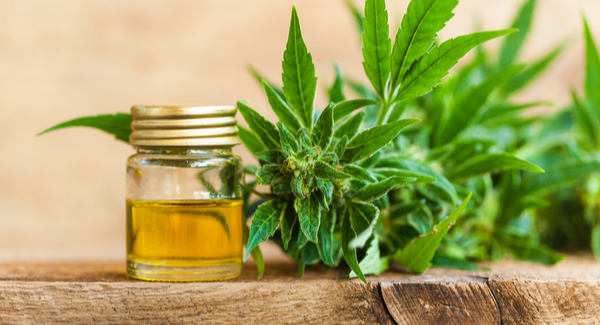
CBD (cannabidiol) is a natural compound found in the hemp plant. Unlike THC, the psychoactive component of cannabis, CBD doesn’t produce a “high.” Instead, it interacts with the body’s endocannabinoid system (ECS), which plays a key role in regulating various bodily functions, including digestion, pain perception, inflammation, and immune response.
The endocannabinoid system consists of receptors (CB1 and CB2) that are found throughout the body, including in the gut. By interacting with these receptors, CBD can help modulate gut function and support digestive wellness.
Potential Benefits of CBD Oil for Gut Health
1. Reducing Inflammation
One of the most well-known benefits of CBD is its anti-inflammatory properties. Inflammation in the gut can lead to conditions like IBD, Crohn’s disease, and ulcerative colitis, causing pain, bloating, and digestive distress. CBD has been shown to reduce inflammation by interacting with CB2 receptors in the immune system, potentially offering relief for individuals with inflammatory gut conditions.
In a 2019 study published in the Journal of Clinical Investigation, researchers found that CBD reduced intestinal inflammation in animal models of IBD. While more research is needed in humans, these findings suggest that CBD may be beneficial in managing inflammatory gut conditions.
2. Supporting Gut Motility
Gut motility refers to the movement of food and waste through the digestive tract. Disruptions in gut motility can lead to issues like constipation, diarrhea, or IBS. The endocannabinoid system is involved in regulating gut motility, and CBD may help maintain balance in this process.
A study published in the Journal of Neurogastroenterology and Motility found that CBD could help regulate gut motility and reduce hyperactivity in the intestines, suggesting that CBD may be helpful for people with IBS or other motility-related conditions.
3. Relieving Pain and Discomfort
Digestive disorders are often accompanied by abdominal pain and discomfort. CBD is known for its ability to reduce pain by interacting with CB1 receptors in the central nervous system. By targeting these pain receptors, CBD may help alleviate abdominal pain and cramping associated with digestive conditions like IBS, Crohn’s disease, or gastritis.
4. Reducing Stress and Anxiety
Stress and anxiety are significant contributors to gut health issues, with many individuals experiencing stress-induced digestive problems like bloating, nausea, or changes in bowel movements. CBD has been widely studied for its anxiolytic (anti-anxiety) properties, which can help reduce stress levels and promote relaxation.
By lowering stress, CBD may indirectly support gut health by preventing stress-related digestive disturbances and promoting a healthier gut environment.
5. Promoting a Healthy Microbiome
The gut microbiome consists of trillions of bacteria that play a crucial role in digestion, immune function, and overall health. A balanced microbiome is essential for maintaining gut health, and disruptions in this balance can lead to digestive disorders, infections, and chronic health conditions.
While research is still emerging, CBD may help promote a healthier gut microbiome by supporting the endocannabinoid system’s role in regulating immune function and inflammation. A healthier gut microbiome can lead to better digestion, improved immune response, and enhanced overall well-being.
How to Incorporate CBD Oil for Gut Health
If you’re considering using CBD oil to support your gut health, here are a few tips for getting started:
1. Choose High-Quality CBD Oil
When selecting a CBD oil, make sure to choose a product that is third-party tested for purity and potency. Look for full-spectrum CBD or broad-spectrum CBD, as these contain additional beneficial compounds like terpenes and flavonoids that may enhance the effects of CBD.
2. Start with a Low Dose
Begin with a low dose of CBD oil and gradually increase it based on how your body responds. For digestive health, starting with 10-20 mg per day may be effective. Monitor your body’s response and adjust the dosage as needed.
3. Take Consistently
Consistency is key when using CBD for digestive health. Take CBD oil regularly, either with food or on an empty stomach, depending on your preference. Some people find that taking CBD oil before meals helps reduce bloating and discomfort.
4. Track Your Symptoms
Keep a journal to track your digestive symptoms and how they change with the use of CBD oil. This will help you determine the effectiveness of CBD and whether any adjustments to dosage or timing are needed.
Risks and Considerations
While CBD oil is generally well-tolerated, it’s important to be aware of potential risks and side effects:
- Dry Mouth: Some people experience dry mouth when using CBD. Staying hydrated can help alleviate this side effect.
- Changes in Appetite: CBD may cause changes in appetite, either increasing or decreasing hunger. Monitor how your body responds and adjust your diet accordingly.
- Drug Interactions: CBD can interact with certain medications, especially those metabolized by the liver’s cytochrome P450 enzyme system. If you’re taking any medications, consult your healthcare provider before using CBD.
- Regulatory Considerations: The quality of CBD products can vary, so it’s essential to purchase from reputable brands that provide lab testing and transparency about their ingredients.
Read Also : The Growing Role of CBD Oil in Canadian Functional Medicine
Conclusion
While research on CBD oil and gut health is still evolving, there is promising evidence that CBD may support digestive wellness by reducing inflammation, regulating gut motility, relieving pain, and promoting a healthy microbiome. Whether you’re dealing with a chronic digestive disorder or simply want to improve your overall gut health, CBD oil could be a beneficial addition to your wellness routine.
As always, it’s important to consult with a healthcare professional before adding any new supplement to your routine, especially if you’re dealing with a serious health condition or taking other medications.
By choosing a high-quality CBD oil, starting with a low dose, and using it consistently, you may be able to experience the gut health benefits that CBD has to offer.