
With the growing popularity of natural wellness products, CBD oil and hemp seed oil have become widely discussed in health circles. While these oils both come from the hemp plant, they are not the same and offer different benefits. In this post, we’ll explore the key differences between CBD oil and hemp seed oil, including their sources, benefits, and ideal uses, to help you make an informed choice.
What Is CBD Oil?
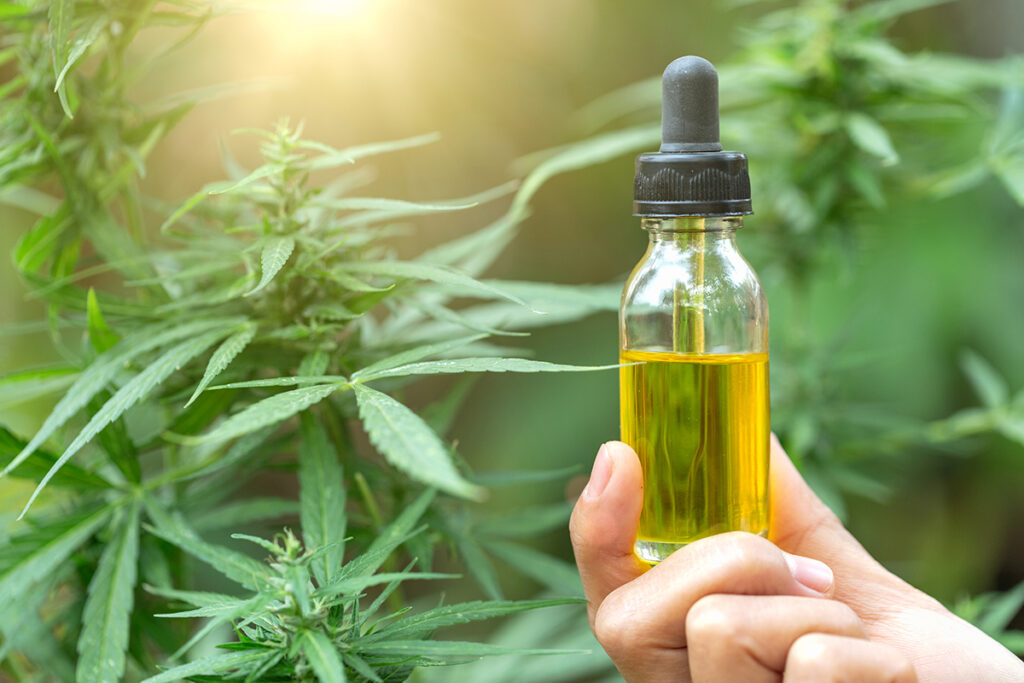
CBD oil is derived from the flowers, leaves, and stalks of the hemp plant, where cannabidiol (CBD) is highly concentrated. CBD is a naturally occurring compound known for its potential health benefits without the psychoactive effects associated with THC, another compound found in cannabis.
How Is CBD Oil Made?
CBD oil is produced through a process that extracts cannabidiol and other beneficial compounds from the hemp plant. These extracts are typically combined with a carrier oil, like MCT or coconut oil, to create the final product.
Benefits of CBD Oil
- Pain Relief: CBD oil is popular for its pain-relieving properties, making it a natural choice for those looking to manage chronic pain, arthritis, and other conditions.
- Anxiety and Stress Reduction: Many people turn to CBD oil for its calming effects. Research suggests that CBD can interact with receptors in the brain to reduce anxiety and promote relaxation.
- Improved Sleep: CBD oil is also known to help improve sleep quality, especially for those who struggle with insomnia or poor sleep due to stress.
- Anti-Inflammatory: CBD oil’s anti-inflammatory properties make it an option for those with inflammatory conditions, such as rheumatoid arthritis and inflammatory bowel disease.
- Skincare Benefits: CBD oil’s anti-inflammatory and antioxidant properties make it beneficial for skin health, helping to reduce acne, redness, and signs of aging.
What Is Hemp Seed Oil?
Hemp seed oil, on the other hand, comes from the seeds of the hemp plant. Unlike CBD oil, it contains no CBD or other cannabinoids, making it quite different in terms of chemical composition.
How Is Hemp Seed Oil Made?
Hemp seed oil is created by cold-pressing hemp seeds. This process is similar to the production of olive oil or flaxseed oil. It results in a nutrient-rich oil that’s packed with essential fatty acids and antioxidants, without any of the cannabinoids found in other parts of the hemp plant.
Benefits of Hemp Seed Oil
- Rich in Nutrients: Hemp seed oil is loaded with nutrients, including omega-3 and omega-6 fatty acids, which are essential for heart and brain health.
- Moisturizing for Skin: Due to its high fatty acid content, hemp seed oil is excellent for moisturizing skin, making it a common ingredient in skincare products for hydration and protection.
- Heart Health: The omega fatty acids in hemp seed oil are also beneficial for heart health, potentially helping to reduce cholesterol levels and improve cardiovascular function.
- Supports Immune System: Hemp seed oil contains a variety of vitamins and minerals, such as vitamin E, potassium, and magnesium, which contribute to overall immune function.
- Digestive Health: The healthy fats in hemp seed oil can support digestive health, aiding in nutrient absorption and reducing inflammation in the gut.
Key Differences Between CBD Oil and Hemp Seed Oil
| Aspect | CBD Oil | Hemp Seed Oil |
|---|---|---|
| Source | Flowers, leaves, stalks | Seeds |
| Contains Cannabinoids | Yes (CBD and possibly trace THC) | No |
| Main Benefits | Pain relief, anxiety reduction, sleep aid, anti-inflammatory | Nutritional benefits, skincare hydration, heart health |
| Best Used For | Health supplements, pain and anxiety relief, skincare | Cooking, skincare, and dietary supplement |
Which One Should You Choose?
- For Wellness Benefits: If you’re looking for relief from pain, anxiety, inflammation, or sleep issues, CBD oil might be the best choice. Its therapeutic effects come from CBD’s interaction with the body’s endocannabinoid system, which regulates mood, pain sensation, and sleep.
- For Nutritional and Skincare Benefits: Hemp seed oil is a great option for those interested in a nutritious oil for cooking or as a skincare ingredient. Its high concentration of healthy fats makes it ideal for moisturizing and supporting heart health without any psychoactive effects.
How to Use Each Oil
- CBD Oil: Typically taken orally as drops or capsules, CBD oil can also be used topically in balms and lotions for targeted pain relief or skin benefits.
- Hemp Seed Oil: Often used as a cooking oil, hemp seed oil is also a popular ingredient in skin and hair care products due to its hydrating properties. However, avoid high-heat cooking with hemp seed oil, as it has a low smoke point and can lose its nutritional value.
Are There Any Side Effects?
- CBD Oil: While generally well-tolerated, some people may experience side effects like fatigue, dry mouth, or changes in appetite. It’s best to start with a low dose and consult a healthcare provider, especially if you’re on other medications.
- Hemp Seed Oil: Typically, hemp seed oil has minimal side effects. In rare cases, it may cause mild digestive discomfort, so it’s wise to start with a small amount if you’re new to using it.
Read Also : CBD Oil for Gut Health: Can It Support Digestive Wellness?
Conclusion
Understanding the differences between CBD oil and hemp seed oil can help you select the right product for your needs. Both oils offer unique benefits, whether you’re seeking relief from physical discomfort and stress with CBD oil or looking to improve your nutrition and skincare routine with hemp seed oil. Always ensure you’re purchasing high-quality products from reputable sources to maximize the benefits of these oils.