
CBD oil has gained significant attention for its potential health benefits, ranging from pain relief to reducing anxiety and improving sleep. However, when shopping for CBD oil, you’ll likely encounter terms like “full-spectrum,” “broad-spectrum,” and “CBD isolate.” These classifications describe the type of CBD extract used in the product and have implications for how it may affect your body. Understanding the differences between these three types of CBD oil is crucial for choosing the right product for your needs. This blog explains what sets them apart, how they’re made, and their potential benefits and drawbacks.
What Is CBD Oil?
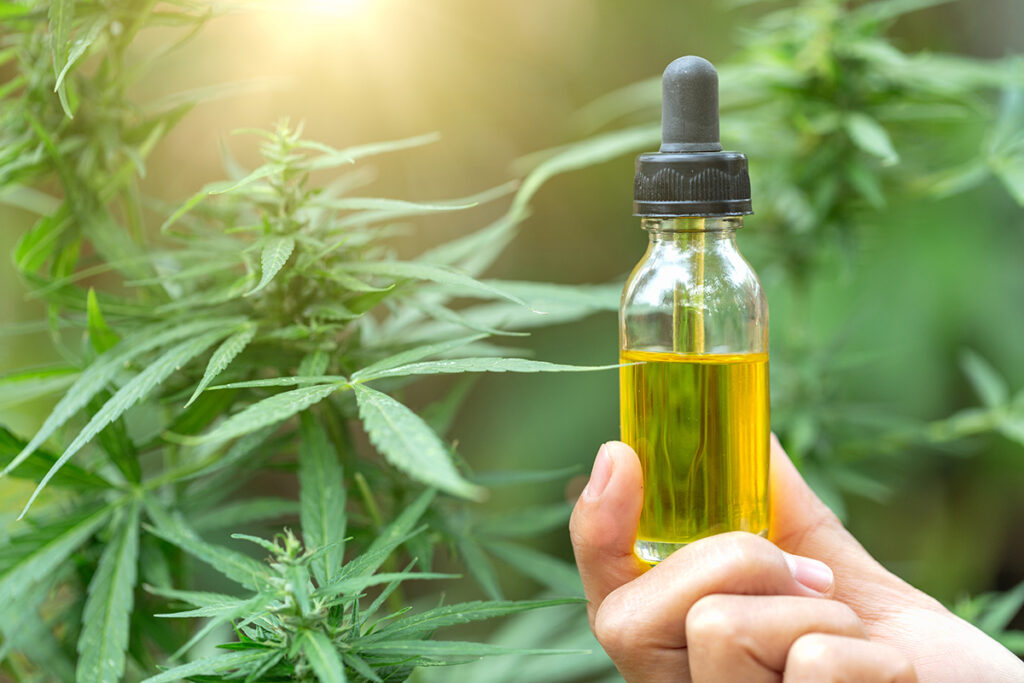
CBD, or cannabidiol, is a non-psychoactive compound derived from the hemp plant. It interacts with the body’s endocannabinoid system (ECS) to regulate various physiological processes, including mood, pain sensation, and sleep. CBD oil is made by extracting CBD from hemp and blending it with a carrier oil, such as coconut or hemp seed oil. The type of CBD oil—full-spectrum, broad-spectrum, or isolate—depends on the extraction and refinement process.
Full-Spectrum CBD Oil
Full-spectrum CBD oil contains the full range of cannabinoids, terpenes, flavonoids, and other compounds naturally present in the hemp plant, including trace amounts of THC (tetrahydrocannabinol). While THC levels in full-spectrum products are typically below 0.3% (the legal limit in most countries), they may still be detectable in drug tests.
The presence of multiple cannabinoids and terpenes in full-spectrum CBD oil creates what is known as the “entourage effect.” This theory suggests that cannabinoids and terpenes work synergistically to enhance the therapeutic effects of CBD, making full-spectrum CBD oil potentially more effective for certain conditions.
Benefits of Full-Spectrum CBD Oil:
- Enhanced therapeutic potential due to the entourage effect.
- Contains a variety of cannabinoids, terpenes, and nutrients that may benefit overall health.
- Often preferred by individuals seeking a holistic approach to wellness.
Drawbacks of Full-Spectrum CBD Oil:
- May contain trace amounts of THC, which could be a concern for those undergoing drug testing or avoiding THC for personal reasons.
- The strong flavor and aroma of hemp may not be appealing to everyone.
Broad-Spectrum CBD Oil
Broad-spectrum CBD oil also contains a range of cannabinoids, terpenes, and flavonoids, but it undergoes additional processing to remove THC completely. This makes it an excellent option for individuals who want the benefits of multiple cannabinoids without any THC exposure.
Like full-spectrum CBD, broad-spectrum products may still offer the entourage effect, though it may be less pronounced without THC. Broad-spectrum CBD oil is ideal for those who want a THC-free product while still benefiting from the synergistic properties of other hemp compounds.
Benefits of Broad-Spectrum CBD Oil:
- Provides the entourage effect without the presence of THC.
- Suitable for individuals concerned about THC in their products.
- Maintains many of the beneficial compounds found in hemp.
Drawbacks of Broad-Spectrum CBD Oil:
- May have a milder entourage effect compared to full-spectrum CBD oil.
- Additional processing can slightly alter the natural profile of cannabinoids and terpenes.
CBD Isolate
CBD isolate is the purest form of CBD, containing only cannabidiol with no other cannabinoids, terpenes, or flavonoids. It is created through a refinement process that removes all other plant compounds, leaving behind a crystalline or powder-like substance that is nearly 100% CBD.
Because it contains no THC or other cannabinoids, CBD isolate does not produce the entourage effect. However, it is highly versatile and can be used in a variety of ways, including mixing into foods, beverages, or topical products.
Benefits of CBD Isolate:
- Completely free of THC, making it ideal for those concerned about drug tests or avoiding THC entirely.
- Odorless and flavorless, making it easy to incorporate into various products.
- Highly concentrated, allowing precise dosing.
Drawbacks of CBD Isolate:
- Lacks the entourage effect, which may make it less effective for certain conditions.
- May require higher doses to achieve the same effects as full-spectrum or broad-spectrum products.
How to Choose the Right CBD Oil for Your Needs
Choosing between full-spectrum, broad-spectrum, and isolate CBD oil depends on your individual needs, preferences, and concerns. Here are some factors to consider:
1. Purpose of Use:
If you’re seeking maximum therapeutic benefits and don’t mind trace amounts of THC, full-spectrum CBD oil may be the best choice. For those wanting the benefits of cannabinoids without any THC, broad-spectrum CBD oil is a suitable alternative. If you prefer a THC-free option and are looking for precise control over your CBD intake, CBD isolate is ideal.
2. THC Sensitivity:
Individuals who undergo regular drug testing or are sensitive to THC should opt for broad-spectrum or CBD isolate products to avoid any THC exposure.
3. Flavor Preferences:
Full-spectrum and broad-spectrum CBD oils retain the natural flavor of hemp, which can be earthy and strong. If you prefer a flavorless option, CBD isolate is a better choice.
4. Dosage Requirements:
Because CBD isolate is highly concentrated, it may be easier to measure and control your dosage. However, you may need higher doses of isolate to achieve the same effects as full-spectrum or broad-spectrum products.
The Entourage Effect: Does It Make a Difference?
The entourage effect is one of the most debated aspects of CBD oil. While some studies suggest that the combined action of multiple cannabinoids and terpenes enhances therapeutic outcomes, other research indicates that CBD alone is sufficient for certain conditions. Ultimately, the effectiveness of the entourage effect may vary depending on the individual and the condition being treated.
Read Also : CBD Oil and Hormonal Balance: A Guide for Women’s Health
Conclusion
Understanding the differences between full-spectrum, broad-spectrum, and isolate CBD oil is essential for making an informed decision. Each type of CBD oil has unique characteristics and benefits, making it suitable for different preferences and needs. Full-spectrum CBD oil offers the most comprehensive range of cannabinoids and terpenes, making it a powerful option for those seeking the entourage effect. Broad-spectrum CBD oil provides a THC-free alternative with similar benefits, while CBD isolate delivers pure cannabidiol for those with specific requirements. By considering factors like your purpose of use, sensitivity to THC, and flavor preferences, you can choose the CBD oil that best aligns with your wellness goals.