
As the popularity of cannabidiol (CBD) grows, so does the variety of CBD products available on the market. Among the most common forms are CBD oil and CBD tinctures. Both offer similar benefits, but they differ in terms of ingredients, uses, and how they are consumed. Choosing between the two can be confusing for beginners, especially when both products appear to serve the same purpose. This blog post will dive into the key differences between CBD oil and CBD tinctures, helping you decide which product is the right fit for your needs.
What Is CBD Oil?
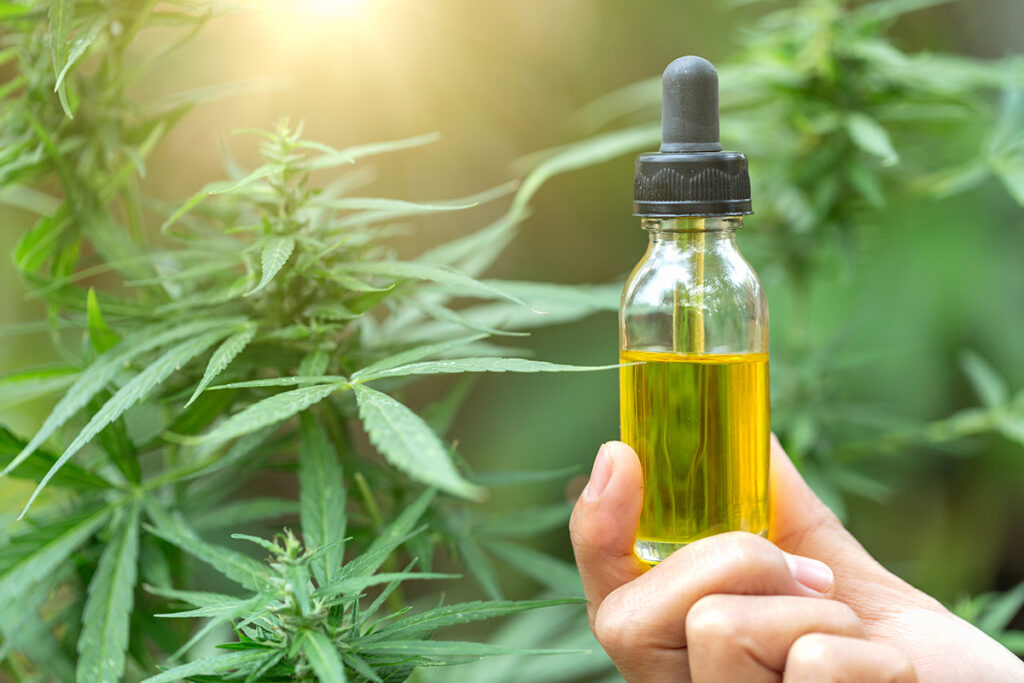
CBD oil is a broad term used to describe any oil that has been infused with cannabidiol. It is typically made by extracting CBD from hemp plants and diluting it with a carrier oil, such as coconut oil, hemp seed oil, or MCT oil (medium-chain triglycerides). The oil is designed to be consumed orally or applied topically for various health benefits.
CBD oil generally contains full-spectrum, broad-spectrum, or isolate CBD, depending on the product. Full-spectrum CBD oil includes all of the naturally occurring compounds found in hemp, such as cannabinoids, terpenes, and essential oils, including trace amounts of THC (less than 0.3%). Broad-spectrum CBD oil also contains multiple cannabinoids but no THC. CBD isolate is pure CBD without any other cannabinoids or terpenes.
What Are CBD Tinctures?
CBD tinctures, on the other hand, are a specific type of CBD product made by dissolving CBD extract in alcohol or another solvent. The alcohol is used to extract the cannabinoids and terpenes from the hemp plant, and the final product is often a high-concentration solution. The tincture is typically consumed by placing a few drops under the tongue (sublingually), allowing it to absorb into the bloodstream quickly for fast relief.
Tinctures may also include flavoring agents, such as mint, citrus, or vanilla, to mask the strong taste of alcohol. Like CBD oil, tinctures can contain full-spectrum, broad-spectrum, or isolate CBD, depending on the brand and formulation.
Key Differences Between CBD Oil and CBD Tinctures
While both CBD oil and CBD tinctures offer similar benefits, they have important differences in how they are made, their ingredients, and how they are consumed. Here’s a breakdown of the key distinctions:
1. Extraction Method
- CBD Oil: CBD oil is typically made by extracting cannabidiol from hemp using methods like CO2 extraction or cold pressing. The resulting oil is then mixed with a carrier oil, which helps with absorption and ensures a consistent dosage.
- CBD Tinctures: Tinctures are made by extracting CBD from hemp using alcohol or glycerin. The alcohol is used as a solvent to dissolve the CBD, and the mixture is then strained to remove plant material. The high-proof alcohol used in the process preserves the tincture for longer periods of time, making it more shelf-stable.
2. Ingredients and Flavor
- CBD Oil: CBD oil contains a CBD extract mixed with a carrier oil. This can result in a more natural taste, which some users find earthy or grassy, especially if it’s full-spectrum. However, many CBD oils are flavorless or lightly flavored, making them easier to consume.
- CBD Tinctures: Tinctures often contain alcohol as the base ingredient, which gives them a distinct, sometimes bitter taste. To improve the flavor, many tinctures are flavored with additives like mint, citrus, or vanilla. Some tinctures may also contain sweeteners to make them more palatable.
3. Bioavailability
- CBD Oil: CBD oil is typically taken sublingually (under the tongue), allowing the CBD to enter the bloodstream through the mucous membranes. It can also be added to food or beverages, but the absorption rate is slower when ingested orally due to the digestive process.
- CBD Tinctures: CBD tinctures are also commonly taken sublingually, and their alcohol base allows for faster absorption through the mucous membranes. Because alcohol helps dissolve the CBD, tinctures may be absorbed into the bloodstream more quickly than CBD oil. When taken sublingually, tinctures can offer faster relief.
4. Potency
- CBD Oil: The potency of CBD oil varies depending on the concentration of CBD in the oil and the type of CBD extract used (full-spectrum, broad-spectrum, or isolate). Full-spectrum CBD oil tends to have higher concentrations of cannabinoids and terpenes, which may lead to stronger effects due to the entourage effect.
- CBD Tinctures: Tinctures generally have a higher concentration of CBD due to the alcohol extraction method. This results in a potent product that may require smaller doses. Tinctures often offer a more concentrated form of CBD, which may be beneficial for those seeking stronger effects.
5. Shelf Life and Storage
- CBD Oil: CBD oil has a relatively long shelf life when stored properly in a cool, dark place. The carrier oils used in CBD oil help preserve its freshness, and it can last for several months or even a year if kept in the right conditions.
- CBD Tinctures: Due to the alcohol content, CBD tinctures have an extended shelf life compared to other CBD products. Alcohol acts as a preservative, which allows tinctures to last longer without spoiling. Proper storage is still important to maintain potency, and tinctures should be kept in a cool, dry place.
Which One is Right for You: CBD Oil or CBD Tinctures?
When deciding between CBD oil and CBD tinctures, there are several factors to consider based on your personal preferences and health needs:
1. For Faster Relief:
If you need fast relief and prefer a quicker absorption rate, CBD tinctures may be the better option. The alcohol base in tinctures allows for faster absorption when taken sublingually, providing quicker results.
2. For Better Taste:
If the taste of alcohol or the natural hemp flavor is unappealing, CBD oil may be a better choice. CBD oil tends to have a more neutral flavor or is lightly flavored, making it easier to consume for those sensitive to taste.
3. For Higher Potency:
CBD tinctures are typically more concentrated than CBD oil, so if you’re looking for a more potent product, a tincture may be more effective. However, CBD oil, especially full-spectrum oil, can still provide powerful benefits with the added advantage of the entourage effect.
4. For Long-Term Storage:
If you’re planning to store your CBD product for a long time, CBD tinctures may be a better option. The alcohol content in tinctures helps preserve them for a longer period, making them ideal for long-term use. CBD oil also has a good shelf life but may not last as long as tinctures.
5. For Flexibility:
If you like to add CBD to your food or beverages, CBD oil might be the best choice. It can easily be mixed into smoothies, teas, or other drinks. Tinctures, while versatile, are typically consumed sublingually for optimal absorption, making them less ideal for mixing with food.
Read Also : The Legalities of CBD Oil for Pets in Regina: What You Need to Know
Final Thoughts
Both CBD oil and CBD tinctures offer effective ways to enjoy the benefits of CBD, but they differ in terms of taste, potency, and absorption rate. If you’re looking for a quick-acting, concentrated product, CBD tinctures may be the best choice for you. On the other hand, if you prefer a milder taste or want to use CBD in foods and drinks, CBD oil might be more suitable.
Ultimately, the decision between CBD oil and CBD tinctures comes down to personal preferences, desired effects, and how you plan to use the product. If you’re still unsure which option is best for you, consider consulting with a healthcare professional who can guide you in making the right choice for your needs.