
Introduction
Whether you’re a professional athlete, fitness enthusiast, or just someone who enjoys a good workout, muscle soreness and fatigue are familiar challenges. Recovery is essential to achieving peak performance, and more people are turning to CBD oil as a natural tool for post-workout relief.
But does it actually work? In this blog, we’ll explore how CBD oil interacts with the body to support muscle recovery, reduce soreness, and promote overall physical well-being—without the side effects of over-the-counter medications.
What Is CBD Oil?
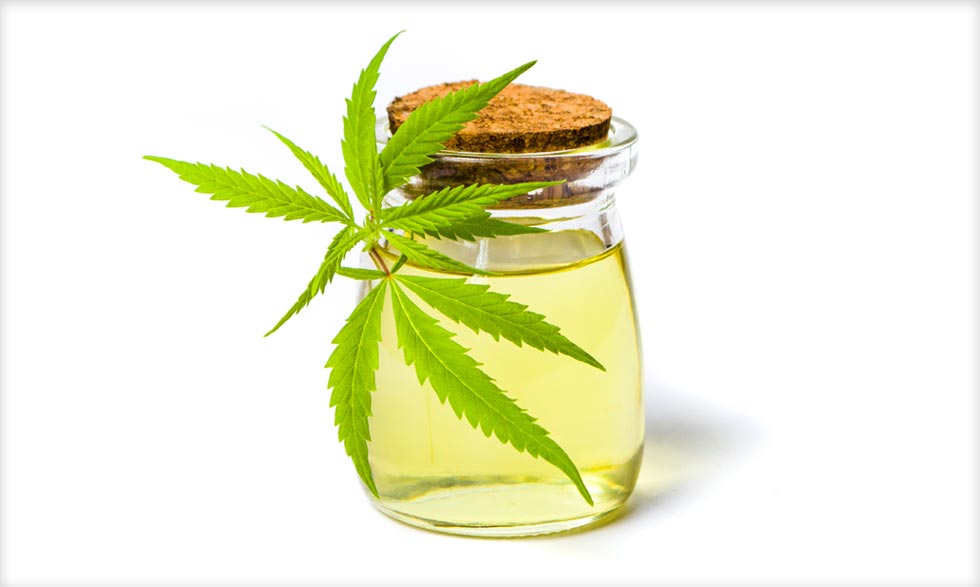
CBD (cannabidiol) is a non-psychoactive compound found in the hemp plant, known for its anti-inflammatory, analgesic, and calming properties. Unlike THC, CBD doesn’t get you high. When extracted and combined with a carrier oil (like MCT or hemp seed oil), it becomes what we commonly refer to as CBD oil.
Athletes and everyday users alike are increasingly integrating CBD oil into their post-workout routines for its potential to ease muscle tension, support recovery, and even enhance sleep—an essential component of muscle repair.
How Muscle Soreness Happens
Muscle soreness, especially delayed onset muscle soreness (DOMS), is caused by microscopic tears in muscle fibers during intense physical activity. This results in inflammation, which is a natural part of the healing process but can also be painful and limit mobility for several days.
Traditional treatments often involve NSAIDs (like ibuprofen), ice baths, or stretching. While effective, some of these methods come with downsides—long-term NSAID use can harm the liver or stomach lining, and not everyone enjoys plunging into an ice bath. That’s where CBD oil steps in as a gentler alternative.
How CBD Oil May Help with Muscle Recovery
1. Reduces Inflammation
CBD is known for its powerful anti-inflammatory effects. It interacts with the body’s endocannabinoid system (ECS), which regulates inflammation and immune responses. By supporting ECS function, CBD may help reduce post-exercise inflammation, allowing muscles to recover more quickly and with less discomfort.
2. Relieves Pain Naturally
CBD may help relieve localized or generalized pain by interacting with pain receptors in the nervous system. Users report reduced muscle aches, cramps, and tension after workouts, without the grogginess or dependency risks associated with opioids or other painkillers.
3. Eases Muscle Spasms and Cramps
Muscle spasms are involuntary contractions that can occur during or after exercise. CBD’s muscle-relaxing properties make it a potential option for easing cramping, especially for athletes who experience muscle tightness or fatigue during recovery.
4. Promotes Better Sleep
Muscle repair and growth primarily happen during deep sleep. CBD has been shown to improve sleep quality by easing anxiety, reducing pain, and promoting relaxation—all crucial factors for a restful night and effective muscle recovery.
5. Reduces Stress and Cortisol Levels
Intense training can increase cortisol, the stress hormone that can delay muscle recovery and even break down muscle tissue. Some studies suggest that CBD may help regulate cortisol levels, making it a useful tool for both physical and mental recovery.
How to Use CBD Oil for Muscle Recovery
Intense workouts can leave your muscles sore, stiff, and inflamed—but recovery is just as important as the effort you put in at the gym. More and more fitness enthusiasts and athletes are turning to CBD oil as a natural way to support the body’s healing process, reduce muscle pain, and bounce back faster after physical exertion. Derived from hemp and known for its anti-inflammatory and pain-relieving properties, CBD oil has quickly gained traction as a post-workout recovery aid. But how exactly should you use it to maximize its benefits?
1. Sublingual Drops (Under the Tongue)
One of the fastest and most effective ways to absorb CBD. Place a few drops under the tongue and hold for 30–60 seconds before swallowing. This allows the CBD to enter the bloodstream quickly.
2. Topical CBD (Creams and Balms)
Applying CBD topically allows it to target specific sore areas. Great for knees, shoulders, back, or anywhere you experience localized tension or inflammation.
3. CBD Capsules or Edibles
Though slower to act than sublingual oils, capsules and edibles offer longer-lasting relief, especially for general soreness or nighttime recovery.
4. Post-Workout Smoothies
Some athletes blend CBD oil into their protein shakes or smoothies for easy ingestion after training.
Pro tip: Start with a low dose (10–25mg) and adjust based on your needs and body response.
Also Read: Can CBD Oil Help With a Sore Throat?
What to Look for in a CBD Oil for Muscle Recovery
Not all CBD products are created equal. Here’s what to keep in mind:
- Full-spectrum or broad-spectrum CBD for maximum benefit (includes other cannabinoids and terpenes)
- Third-party lab testing to verify purity and potency
- Organic hemp grown without pesticides or synthetic fertilizers
- Transparent labeling and dosage instructions
Avoid products with unnecessary additives, artificial colors, or poor reviews.
Is CBD Oil Safe?
CBD is generally well-tolerated with few side effects. In rare cases, users may experience:
- Dry mouth
- Drowsiness
- Mild digestive upset (usually from carrier oil)
Always consult your doctor, especially if you’re taking medications, pregnant, or managing a chronic health condition.
Conclusion
CBD oil offers a natural, holistic approach to muscle recovery—from easing inflammation and pain to improving sleep and relaxation. Whether you’re a seasoned athlete or just starting your fitness journey, incorporating CBD into your recovery routine could help you bounce back faster and train harder without relying on synthetic painkillers.
As with any supplement, consistency is key. Start slow, listen to your body, and choose high-quality CBD products for the best results.