
The concept of terroir, traditionally associated with wine, has recently found its place in the cannabis industry. Terroir refers to the unique combination of geographical, climatic, and soil factors that influence the characteristics of a crop. In Canada, the diverse landscapes and climates offer a wide range of terroirs that significantly affect the quality of cannabis. This blog post explores the impact of terroir on Canadian cannabis quality, examining various regions and their unique contributions to the cannabis landscape.
What is Terroir?
Terroir encompasses the environmental conditions in which a plant is grown, including soil composition, climate, altitude, and even local farming practices. These factors work together to shape the plant’s characteristics, such as flavor, aroma, and potency. In cannabis cultivation terroir can determine the quality and distinctiveness of the final product.
The Elements of Terroir
- Soil: The type of soil, its mineral content, and pH levels can affect the nutrient uptake and growth of cannabis plants.
- Climate: Temperature, humidity, and precipitation patterns play crucial roles in the plant’s development and resin production.
- Geography: Altitude and proximity to bodies of water can influence the microclimate and, consequently, the cannabis quality.
- Farming Practices: Local cultivation techniques, including organic and sustainable practices, can enhance the expression of terroir in cannabis.
Canadian Cannabis Terroirs
Canada’s vast and varied geography offers numerous unique terroirs for cannabis cultivation. Let’s explore some key regions and their distinct characteristics.
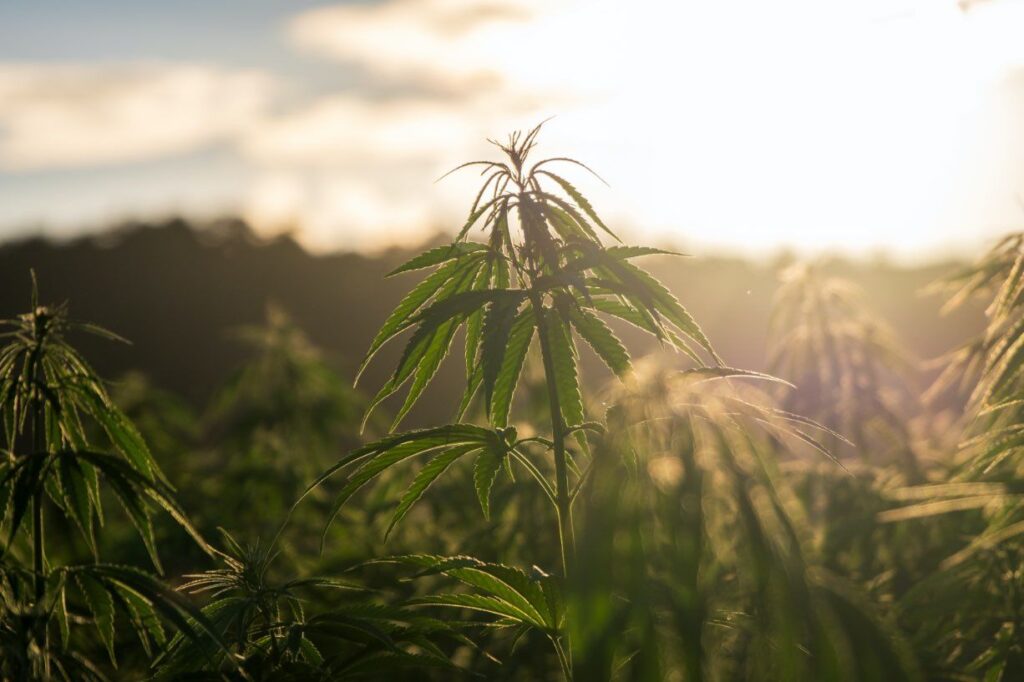
British Columbia
Known for its lush landscapes and mild climate, British Columbia offers ideal conditions for outdoor cannabis cultivation, producing strains with unique pine and citrus aromas.
Climate and Geography
British Columbia (BC) is renowned for its lush landscapes and mild climate, making it one of the most prominent cannabis-producing regions in Canada. The coastal areas benefit from a maritime climate with moderate temperatures and high humidity, ideal for outdoor cultivation.
Soil Composition
The fertile soils of BC, particularly in regions like the Okanagan Valley, are rich in organic matter and minerals. These soils support vigorous plant growth and enhance the terpene profiles, resulting in cannabis with unique flavors and aromas.
Notable Strains
BC is famous for strains such as “BC Bud” and “Island Sweet Skunk,” known for their potent effects and distinctive flavors. The region’s terroir imparts a characteristic pine and citrus aroma to its cannabis.
Ontario
Ontario’s diverse climate and soil types contribute to the production of cannabis with varied profiles, from resinous buds in the south to robust strains in the north.
Climate and Geography
Ontario’s climate varies significantly from the southern regions to the northern parts. Southern Ontario enjoys a temperate climate with warm summers and cold winters, while the northern regions experience harsher winters and shorter growing seasons.
Soil Composition
The soil in Ontario ranges from sandy loam in the south to clay-rich soils in the north. These variations in soil types contribute to diverse cannabis profiles, with some areas producing more resinous buds due to the mineral-rich soils.
Notable Strains
Ontario is home to strains like “Northern Lights” and “White Widow,” celebrated for their resin production and robust effects. The region’s terroir often results in earthy and spicy notes in the cannabis.
Quebec
Quebec’s cold winters and warm, humid summers, along with its fertile lowlands and mountainous regions, support cannabis with complex terpene profiles and sweet, fruity aromas.
Climate and Geography
Quebec’s climate is characterized by cold winters and warm, humid summers. The province’s varied topography includes fertile lowlands and mountainous regions, each offering unique growing conditions.
Soil Composition
Quebec’s soil is diverse, with areas of rich, loamy soil and others with clay or sandy compositions. These soils, combined with the humid climate, support the growth of cannabis with complex terpene profiles.
Notable Strains
Strains like “Quebec Gold” and “God Bud” are well-regarded in the region. Quebec’s terroir imparts a sweet and fruity aroma, enhancing the overall experience of its cannabis.
Alberta
Alberta’s continental climate and varied soil types, from black loam to alkaline soils, result in high-resin cannabis with earthy and woody notes, reflecting the natural environment.
Climate and Geography
Alberta’s climate is predominantly continental, with cold winters and warm summers. The province’s prairies and foothills offer distinct microclimates suitable for cannabis cultivation.
Soil Composition
Alberta’s soil ranges from black loam in the prairies to more alkaline soils in the foothills. These soils, coupled with the region’s climate, produce cannabis with high resin content and distinct flavors.
Notable Strains
“Alberta Gold” and “Rockstar” are popular strains from this region. The terroir of Alberta often results in cannabis with earthy and woody notes, reflecting the natural environment.
The Science Behind Terroir and Cannabis Quality
Understanding the intricate relationship between terroir and cannabis quality involves exploring how environmental factors influence terpene profiles, cannabinoid content, and phenotypic expression. This section delves into the scientific aspects that make each terroir unique and its impact on the final cannabis product.
Terpene Profiles
Terpenes are aromatic compounds that contribute to the flavor and aroma of cannabis. The expression of terpenes is heavily influenced by terroir. For instance, cannabis grown in humid climates may produce more terpenes, resulting in stronger aromas and flavors.
Cannabinoid Content
Cannabinoids, such as THC and CBD, are also affected by terroir. The climatic conditions and soil nutrients can influence the concentration and balance of cannabinoids in the plant, impacting its potency and effects.
Phenotypic Expression
The same cannabis strain can exhibit different characteristics when grown in different terroirs. This phenomenon, known as phenotypic expression, highlights the significant impact of environmental factors on the plant’s growth and quality.
Embracing Terroir in Canadian Cannabis Cultivation
Embracing terroir in Canadian cannabis cultivation involves recognizing and harnessing the unique environmental factors that influence plant growth. By adopting sustainable practices and focusing on local terroirs, cultivators can produce exceptional, high-quality cannabis.
Sustainable Farming Practices
To fully leverage the benefits of terroir, many Canadian cannabis cultivators are adopting sustainable and organic farming practices. These methods not only enhance the quality of the cannabis but also preserve the natural environment.
Craft Cannabis Movement
The craft cannabis movement in Canada emphasizes small-batch, high-quality production that celebrates the unique terroir of each region. Craft producers often focus on local strains and traditional farming techniques to create distinctive and premium cannabis products.
Consumer Awareness
Educating consumers about the impact of terroir on cannabis quality can enhance their appreciation of different products. Understanding the role of terroir allows consumers to make informed choices and explore the diverse offerings of Canadian cannabis.
Conclusion
The concept of terroir plays a crucial role in shaping the quality and characteristics of Canadian cannabis. From the coastal regions of British Columbia to the prairies of Alberta, each terroir imparts unique attributes to the cannabis grown there. By embracing sustainable practices and celebrating local terroirs, Canadian cannabis cultivators can continue to produce exceptional and diverse products that stand out in the global market.
At Code Clarity Hub, we are committed to providing in-depth insights into the factors that influence cannabis quality. Stay tuned for more articles on cannabis cultivation, best practices, and industry trends.